Сезонная диагностика и обслуживание систем кондиционирования: common mistakes that cost you money
The DIY vs. Professional Service Debate: Where Your AC Maintenance Money Actually Goes
Your air conditioner just survived another brutal summer. Now what? Here's where most homeowners split into two camps: those who grab a YouTube tutorial and a screwdriver, and those who dial up an HVAC tech. Both approaches cost money—but one often costs significantly more in the long run.
I've watched countless property managers and homeowners make the same costly mistakes when preparing their cooling systems for seasonal changes. The real kicker? Most think they're saving money when they're actually setting themselves up for a $2,000+ repair bill down the line.
The DIY Seasonal Maintenance Route
What You Get Right
- Immediate cost savings: You'll spend roughly $30-80 on cleaning supplies, filters, and basic tools versus $150-300 for a professional service call
- Flexibility: Check your system at 2 AM on a Sunday if that's when you remember
- Learning curve benefits: Understanding your equipment means faster troubleshooting when something acts weird
- Regular monitoring: You're more likely to notice small issues before they escalate
Where It Falls Apart
- Refrigerant blindness: You can't check refrigerant levels without proper gauges and EPA certification—yet low refrigerant causes 30% of AC failures
- Electrical hazards: Capacitor failures account for 25% of service calls, and a charged capacitor can literally stop your heart
- The hidden stuff: Evaporator coils, condensate drain integrity, and compressor health require specialized equipment to assess properly
- Warranty violations: Many manufacturers void coverage if non-certified technicians perform maintenance—that's a $4,500 gamble on a compressor replacement
- Time sink: What takes a tech 45 minutes might consume your entire Saturday, and you still won't catch everything
The Professional Maintenance Contract
What You're Actually Paying For
- Equipment longevity: Systems with annual professional maintenance last 15-20 years versus 8-12 years without it
- Efficiency preservation: A properly maintained unit runs 15-20% more efficiently, saving $180-350 annually on a typical household cooling bill
- Comprehensive inspection: Techs check 20-30 points that most homeowners don't know exist—duct leakage alone wastes 20-30% of conditioned air
- Documentation: Service records prove maintenance history, protecting warranty claims and adding resale value
- Priority service: When your AC dies during a 98-degree heatwave, contract customers jump the line
The Legitimate Drawbacks
- Upfront cost: Annual contracts run $200-500 depending on your region and system size
- Variable quality: Not all HVAC companies are created equal—some rush through 15-minute "inspections" that miss critical issues
- Unnecessary upselling: Some techs push $800 coil cleanings or duct services you don't actually need yet
- Scheduling hassles: You're working around someone else's calendar, usually during your workday
Cost Reality Check: A Direct Comparison
| Factor | DIY Approach | Professional Service |
|---|---|---|
| Year 1 Cost | $50-100 | $250-400 |
| Average System Lifespan | 10 years | 17 years |
| Major Repair Likelihood | 65% within 8 years | 35% within 8 years |
| Energy Efficiency Loss | 5% annually | 1-2% annually |
| Warranty Protection | Often voided | Maintained |
| Time Investment | 3-5 hours per season | 0 hours (you're present but not working) |
| Problem Detection Rate | ~40% of issues | ~85% of issues |
The Hybrid Approach That Actually Makes Sense
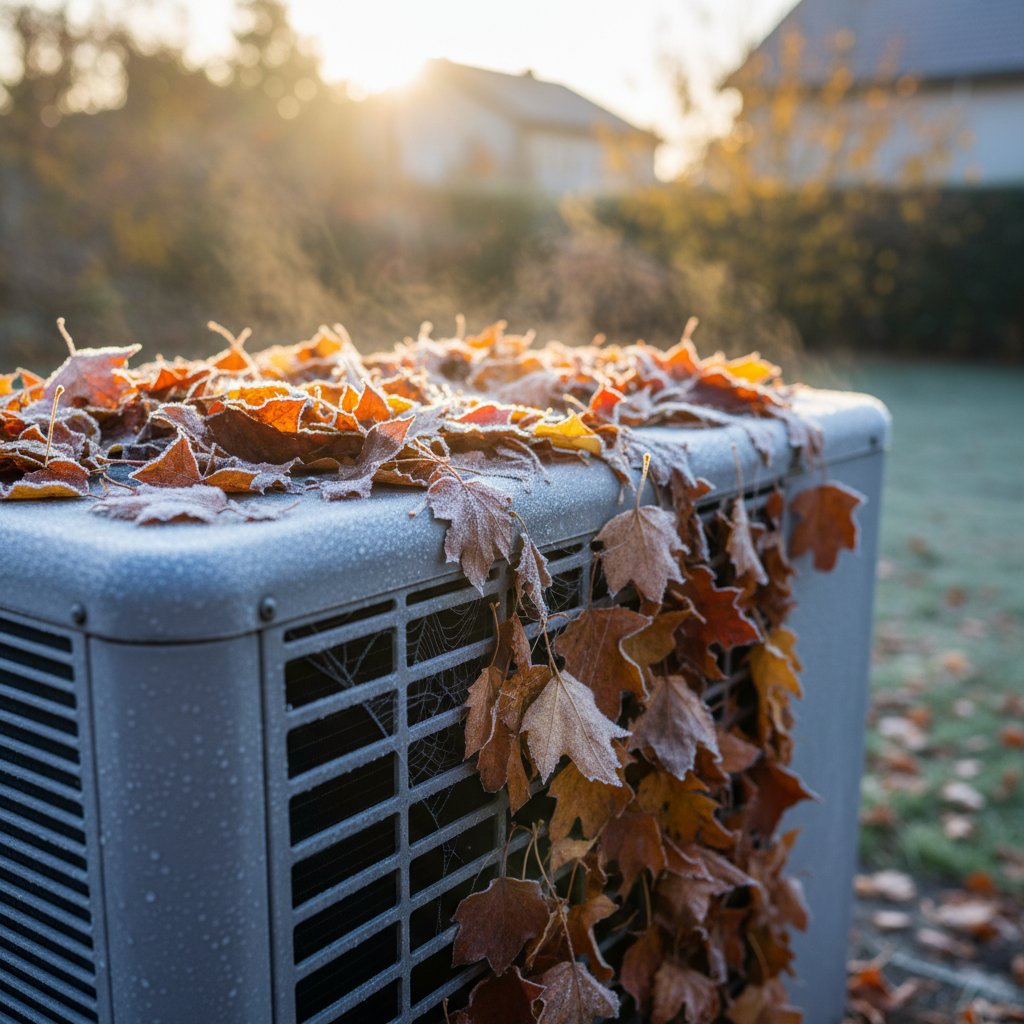
Here's what most HVAC techs do for their own homes: monthly DIY basics plus annual professional deep-dives. Change your filters every 30-60 days. Keep the outdoor unit clear of debris. Check that condensate drains aren't clogged. These simple tasks take 20 minutes and prevent 40% of service calls.
But bring in a certified tech every spring before cooling season. They'll catch the refrigerant leak, the failing capacitor, or the electrical connection that's overheating. That $300 service call prevents the $1,800 emergency repair in July when replacement parts cost 30% more due to demand.
The math is brutal: a premature system replacement at year 10 instead of year 17 costs you $6,000-8,000. That buys 20-30 years of professional maintenance. Factor in the efficiency losses—around $200 extra per year in electricity—and DIY-only maintenance becomes the expensive option.
Your AC doesn't care about your budget philosophy. It operates on physics and mechanical wear. Skip the professional diagnostics if you want, but understand you're not saving money—you're just deciding when and how much you'll eventually spend.