Сезонная диагностика и обслуживание систем кондиционирования in 2024: what's changed and what works
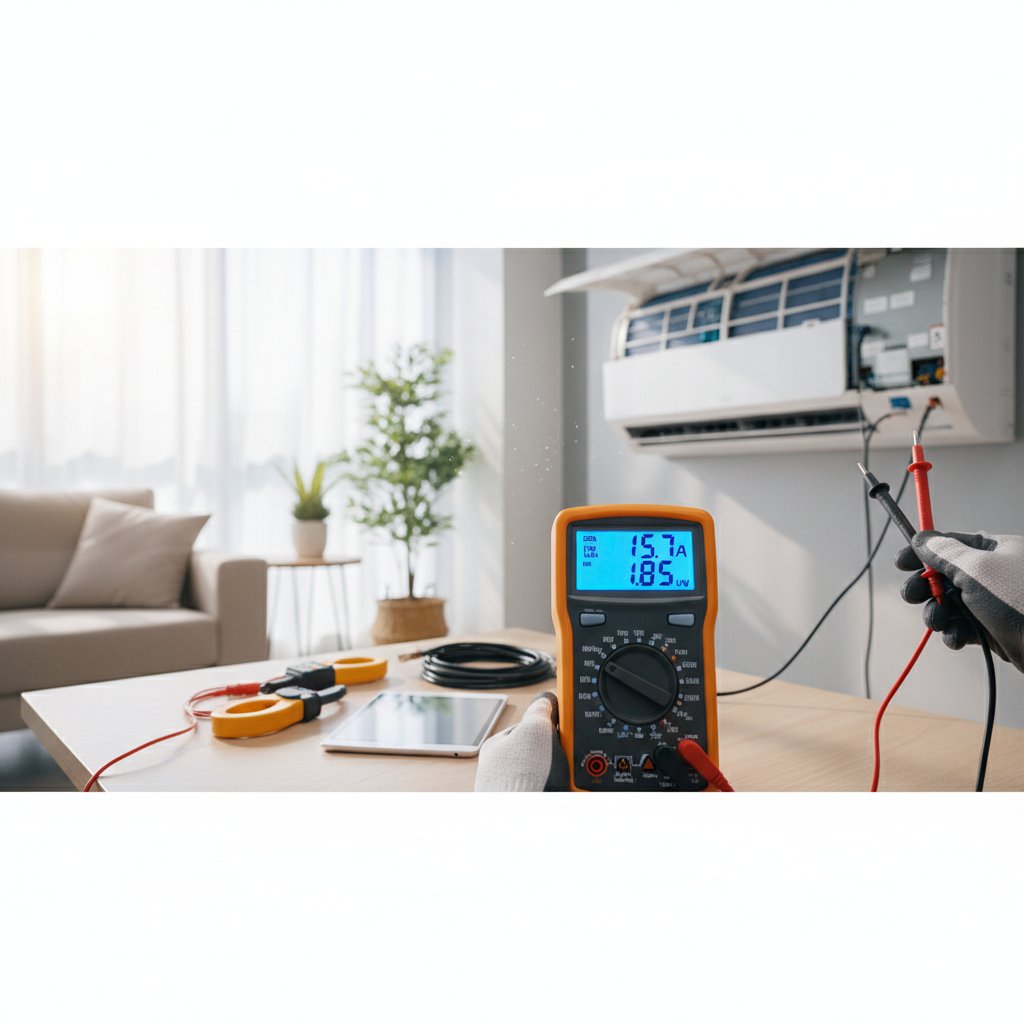
Your AC has been running overtime all summer, and now it's time to ask yourself: when was the last time you actually looked at your cooling system? 2024 brought some interesting shifts in how we approach HVAC maintenance, from smart diagnostics to refrigerant regulations that actually matter. Let's break down what's working, what's changed, and what you need to know before the next heatwave hits.
What's Actually Different in 2024
1. R-410A Is on Its Way Out (Finally)
The EPA's regulations kicked in harder this year, and R-410A refrigerant prices jumped by roughly 40% since January. If your system still runs on this stuff, you're looking at $150-$300 just for a top-up, compared to $80-$120 two years ago. The industry is pushing R-32 and R-454B as replacements, which means your seasonal checkup now includes a conversation about whether it's worth maintaining your current system or planning for an upgrade.
Here's the thing nobody tells you: technicians are now required to recover and recycle refrigerants more strictly than before. That 15-minute refrigerant check? It's now a 45-minute process with proper documentation. Factor this into your service appointment time.
2. Smart Diagnostics Are No Longer Optional
Walk into any decent HVAC shop in 2024, and they're pulling out tablets instead of just pressure gauges. Bluetooth-enabled manifolds can now track superheat and subcooling in real-time, spotting issues that would've taken three service calls to diagnose five years ago. Companies using these tools are completing diagnostics 60% faster, which means lower labor costs for you.
The best part? Many newer AC systems now come with self-diagnostic features that send alerts to your phone. During seasonal maintenance, technicians can pull error logs dating back months. That weird noise you heard in July but forgot about? It's in the system's memory, and your tech can actually see what happened.
3. Filter Technology Got Serious About Air Quality
Post-2020, everyone suddenly cares about indoor air quality. Standard pleated filters are out; MERV 13 ratings are in. During your seasonal service, expect conversations about UV-C light installations (running about $500-$800 installed) and bipolar ionization systems. These aren't just upsells—commercial buildings have been using them for years, and they genuinely make a difference.
Replace your filters every 60-90 days if you have pets or live in a dusty area. That's not marketing talk; that's the difference between a system that lasts 15 years and one that dies at year 10. The ROI on a $30 filter versus a $6,000 compressor replacement? You do the math.
4. Coil Cleaning Methods Changed (And Got Messier)
Traditional coil cleaning used harsh chemicals that worked fast but degraded aluminum fins over time. The 2024 approach uses enzyme-based cleaners that take longer—about 20 minutes of dwell time instead of 5—but don't eat away at your equipment. Expect your seasonal service to take an extra half-hour, but your coils will thank you at year 12.
Outdoor condenser units need attention too. If you haven't cleaned yours in two years, you're losing 15-20% efficiency. That's real money on your electric bill, especially if you're running central air in a 2,000+ square foot space. Ask your technician to measure airflow before and after cleaning. The numbers don't lie.
5. Predictive Maintenance Beats Reactive Repairs
The old model was simple: wait until something breaks, then call for help. 2024 flipped the script with predictive analytics. Vibration sensors on compressors can now detect bearing wear weeks before failure. Amp draw measurements tell you if your motor is struggling. These aren't experimental technologies anymore—they're standard practice at forward-thinking service companies.
Seasonal maintenance now includes baseline measurements that get compared visit-to-visit. Your technician should be tracking compressor amp draw, static pressure, temperature splits, and capacitor microfarad readings. If they're not writing this stuff down, you're getting a visual inspection, not actual diagnostics.
6. Heat Pumps Need Different Attention Than Straight AC
With heat pumps outselling traditional furnaces in many markets, seasonal service got more complicated. These systems run year-round, which means wear patterns are completely different. Reversing valves need checking, defrost cycles need testing, and auxiliary heat strips need inspection—none of which apply to cooling-only systems.
If you've got a heat pump, you need service twice yearly, not once. Spring and fall checkups catch issues before you're stuck without heating or cooling when you actually need it. Budget $150-$200 per visit, and you'll avoid the $500 emergency call during the first cold snap.
7. Ductwork Finally Gets Respect
Thirty percent of conditioned air leaks out through ductwork in the average home. That's not a typo. Seasonal maintenance in 2024 includes visual duct inspection as standard practice, with many companies offering camera inspections for an extra $100-$150. Sealing those leaks costs $400-$1,200 depending on home size, but drops your cooling costs by 20-30%.
Insulation matters too. Ducts running through unconditioned attics lose massive amounts of energy. If your seasonal checkup doesn't include at least a flashlight peek into accessible ductwork, you're missing half the picture.
The Bottom Line
Seasonal AC maintenance isn't what it was even three years ago. Better tools, stricter regulations, and actual data-driven approaches mean you're getting more value—if you're working with technicians who adapted. Book your service during shoulder seasons (April-May or September-October) when companies aren't slammed, and you'll get better attention and often 10-15% lower rates. Your AC doesn't care about your schedule, but your wallet should.