Why most Сезонная диагностика и обслуживание систем кондиционирования projects fail (and how yours won't)
Your AC Maintenance Program is Probably Dying a Slow Death (Here's the Autopsy)
Last summer, a mid-sized office building in Phoenix went dark on a 112-degree afternoon. Not because of a power outage—their three-year-old HVAC system just gave up. The kicker? They had a "maintenance contract." Sort of.
Turns out, their twice-yearly service visits consisted of a technician showing up, changing a filter, checking a pressure gauge, and disappearing in 20 minutes. Nobody caught the refrigerant leak. Nobody noticed the failing compressor bearings. The system limped along until it couldn't anymore, leaving 200 employees sweltering and management facing a $47,000 emergency replacement.
This isn't an outlier. It's Tuesday in the HVAC world.
The Seasonal Maintenance Illusion
Most AC service programs fail because they're built on a comfortable lie: that showing up twice a year with a clipboard somehow prevents disasters. They don't.
Here's what actually happens. A company signs up for spring and fall maintenance visits. The technician arrives, runs through a 15-item checklist in half an hour, slaps a "serviced" sticker on the unit, and leaves. Everyone feels good about being "proactive."
Meanwhile, the system is:
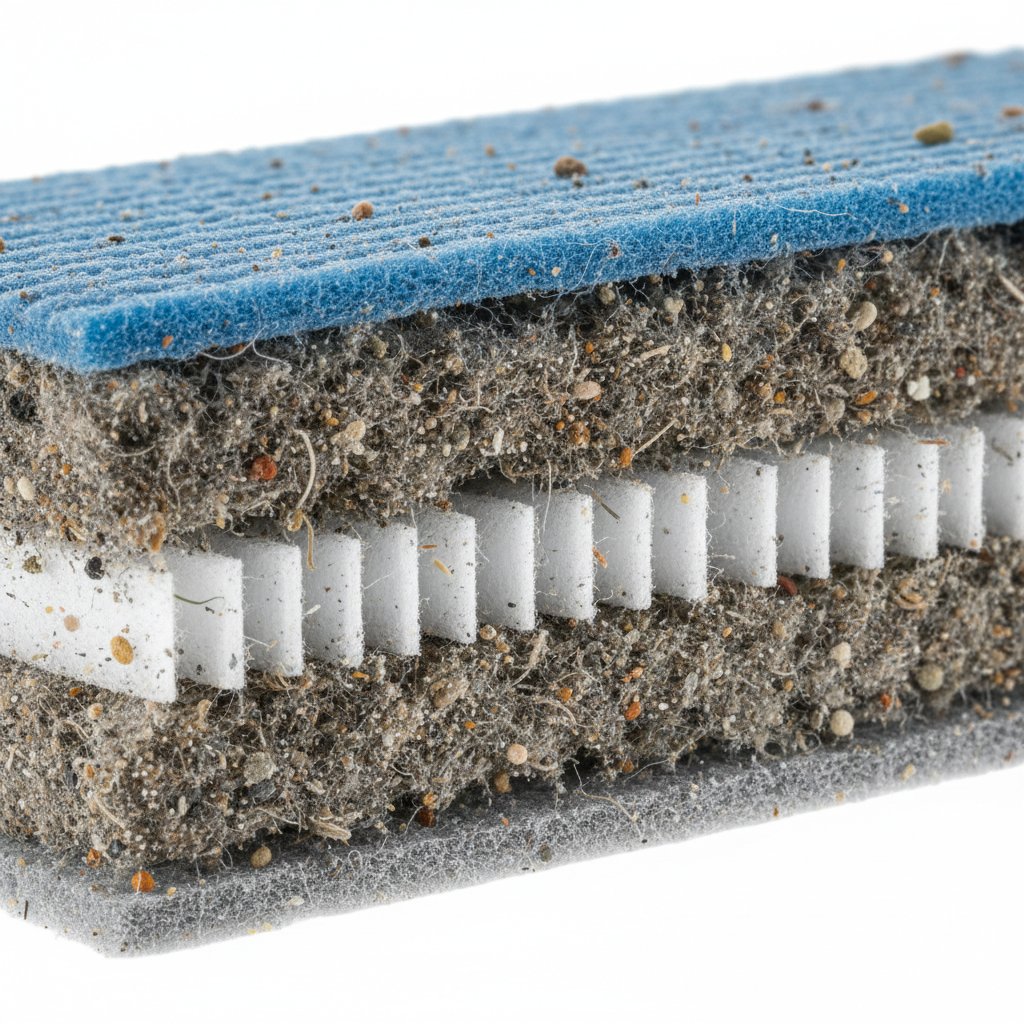
- Losing 3-5% efficiency annually from accumulated grime nobody's actually cleaning
- Developing refrigerant leaks too small to trigger alarms but large enough to cost you $200/month in wasted energy
- Running with electrical connections that are slowly oxidizing toward failure
- Accumulating condensate drain buildup that'll flood your server room in month seven
The problem isn't that maintenance doesn't work. It's that what passes for maintenance is theatrical window dressing.
Red Flags Your Service Contract is Garbage
You're in trouble if your technician spends more time filling out paperwork than actually touching equipment. Watch for these warning signs:
The 30-minute miracle. Comprehensive diagnostics on a commercial system take 90-120 minutes minimum. If your guy is in and out during your coffee break, he's not finding problems—he's checking boxes.
Zero findings syndrome. When your service reports always come back clean with no recommendations, that's not good news. That means nobody's looking hard enough. Real systems always have something worth noting.
The invisible technician. You get reports, but you never actually see anyone working. Some companies send the same generic report to everyone, adjusting only the address and unit numbers.
Surprise breakdowns. If major components are failing within weeks of a "successful" service visit, your maintenance isn't maintaining anything.
Building Maintenance That Actually Maintains
Real seasonal service requires rethinking the entire approach. Here's what works:
1. Ditch the Checklist Theater
Replace generic 15-point inspections with system-specific protocols. A rooftop unit in a coastal environment needs corrosion monitoring. A data center's precision cooling requires different attention than a retail space. Cookie-cutter service produces cookie-cutter failures.
Allocate 90-120 minutes per unit. Yes, this costs more upfront. A Florida healthcare facility switched from $200 quick-visits to $450 comprehensive services and cut their annual repair costs from $18,000 to $4,200. Math works.
2. Measure Everything That Matters
Baseline your system performance in year one, then track deviations. Amperage draw, superheat/subcool readings, airflow measurements, temperature differentials—these numbers tell stories that visual inspections miss.
One property manager started logging compressor amp draw at each visit. When readings climbed 8% over six months, they caught a failing capacitor before it killed the compressor. Saved $6,000 with a $140 part.
3. Clean Like You Mean It
Coil cleaning shouldn't mean spraying water from six feet away. Pull panels. Use proper cleaners. Actually remove the crud. A manufacturer's study found that coils cleaned superficially retained 60% of efficiency-killing buildup.
Schedule deep cleaning annually, with lighter maintenance at other intervals. This alone typically recovers 7-12% efficiency in systems over three years old.
4. Create a Failure Timeline
Components don't last forever. Contactors: 5-7 years. Capacitors: 7-10 years. Belts: 2-3 years. Build a replacement schedule based on actual lifespans, not "wait until it breaks."
Replacing a $30 contactor on schedule beats replacing a $2,400 compressor that died when the contactor welded shut at 3 AM on Saturday.
Making It Stick
Prevention beats reaction, but only if you're actually preventing things. Demand detailed reports with photos and measurements. Ask questions when nothing needs attention. Good technicians find opportunities for improvement—if they're not finding any, they're not looking.
Set a calendar reminder to review energy bills quarterly. Unexplained consumption increases often signal problems months before systems fail completely.
And here's the uncomfortable truth: the cheapest service contract is rarely the best investment. Pay for thoroughness now, or pay for emergencies later. The Phoenix office building learned this lesson for $47,000.
Your system doesn't need a wellness check. It needs actual medicine.